Solar batteries store excess photovoltaic energy generated during the day for use at night, increasing self-consumption and reducing dependence on the grid. Using a real-world example from LEFE (a 31.26 kWp system with a battery of approximately 27 kWh), we present concrete figures on self-consumption, grid independence, investment, and payback.
Have you noticed that your solar panels produce the most energy precisely when you’re away from home or in the middle of the afternoon, when no one is cooking or turning on the air conditioner? That’s where solar batteries come in: they store that excess energy so you can use it at night, instead of “giving it away” to the grid for very little money. But is the extra investment worth it? Let’s look at some real numbers.
In summary:
A battery-less photovoltaic system only saves you money while the sun is shining and you’re consuming electricity at the same time. Otherwise, the surplus goes into the power grid, typically paid at a price well below what you pay when you buy energy back at night. Solar batteries solve exactly this mismatch: they store what’s left over during the day for you to use hours later, without relying on the sun or the grid.
In practice, this changes your “self-consumption” (the portion of your solar production that you consume yourself) and your “autonomy” (the portion of your total consumption that no longer comes from the grid). Without a battery, a home or business can typically self-consume 30% to 40% of the energy it produces. With a properly sized battery, this figure often rises to 70% or more, because you no longer lose the surplus generated in the afternoon.
It’s also worth noting that a solar battery doesn’t replace the panels, it complements them. If your solar production is already low (few panels, a partially shaded roof, or an unfavorable orientation), the battery has less surplus to store, and it takes longer to see a return on investment. Ideally, you should size both together, based on your actual consumption profile.
The cost of a battery depends mainly on its capacity (kWh) and the brand/technology. As a market benchmark for 2026, a lithium battery module of about 9 to 10 kWh costs, around €3,000 plus VAT for the equipment alone, plus installation, an electrical panel, and a compatible inverter (in “all-in-one” systems, the inverter is already configured for the battery).
The payback period for a system with a battery is usually longer than for a system with just panels, but the calculation must include the additional savings from self-consumption, not just the investment. Equipment such as the Sigenergy inverter typically comes with a 10-year warranty, and the lithium battery retains a significant portion of its capacity after a decade of daily use, so the investment is designed to last. See the real-world example below to see how this translates into concrete numbers.
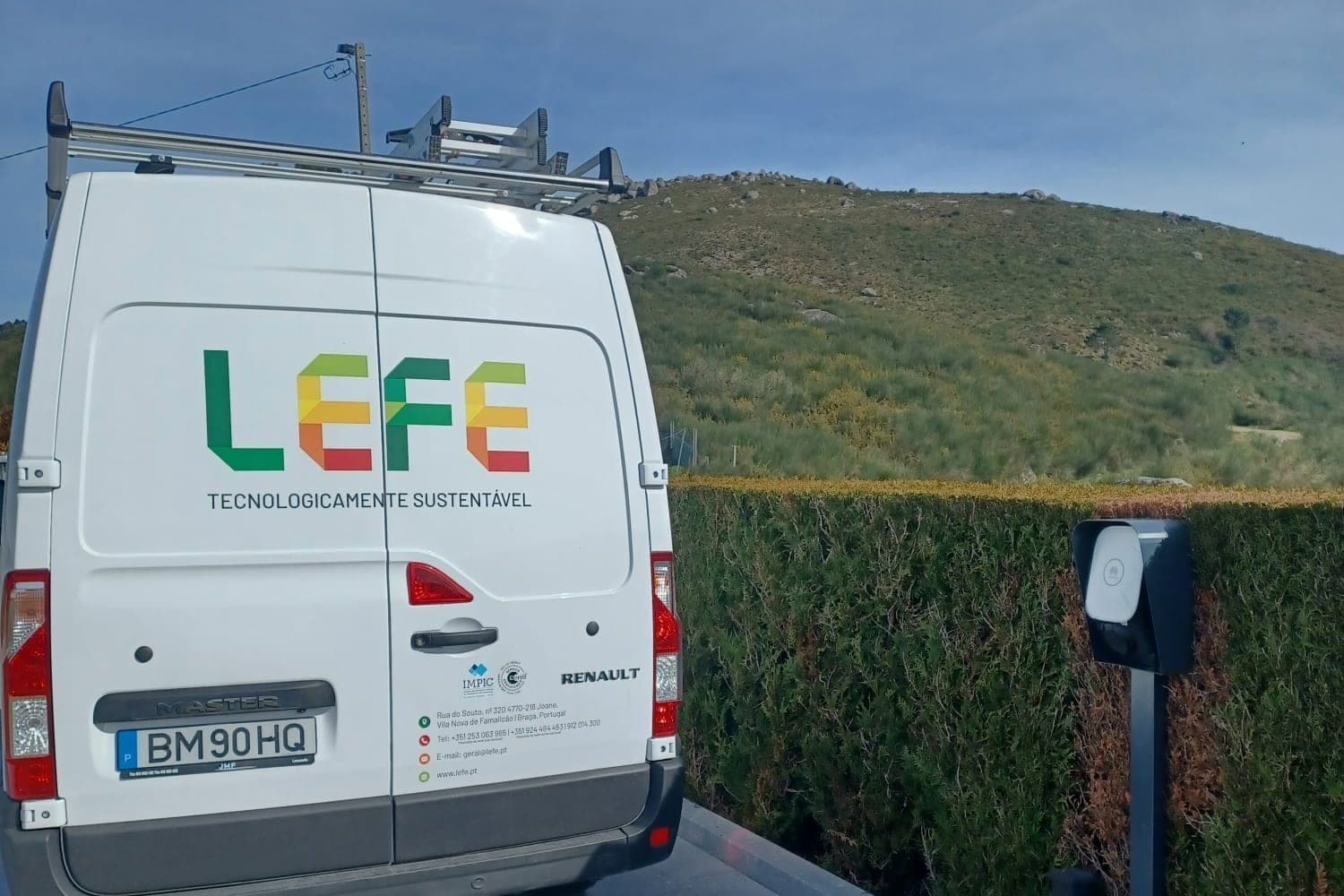
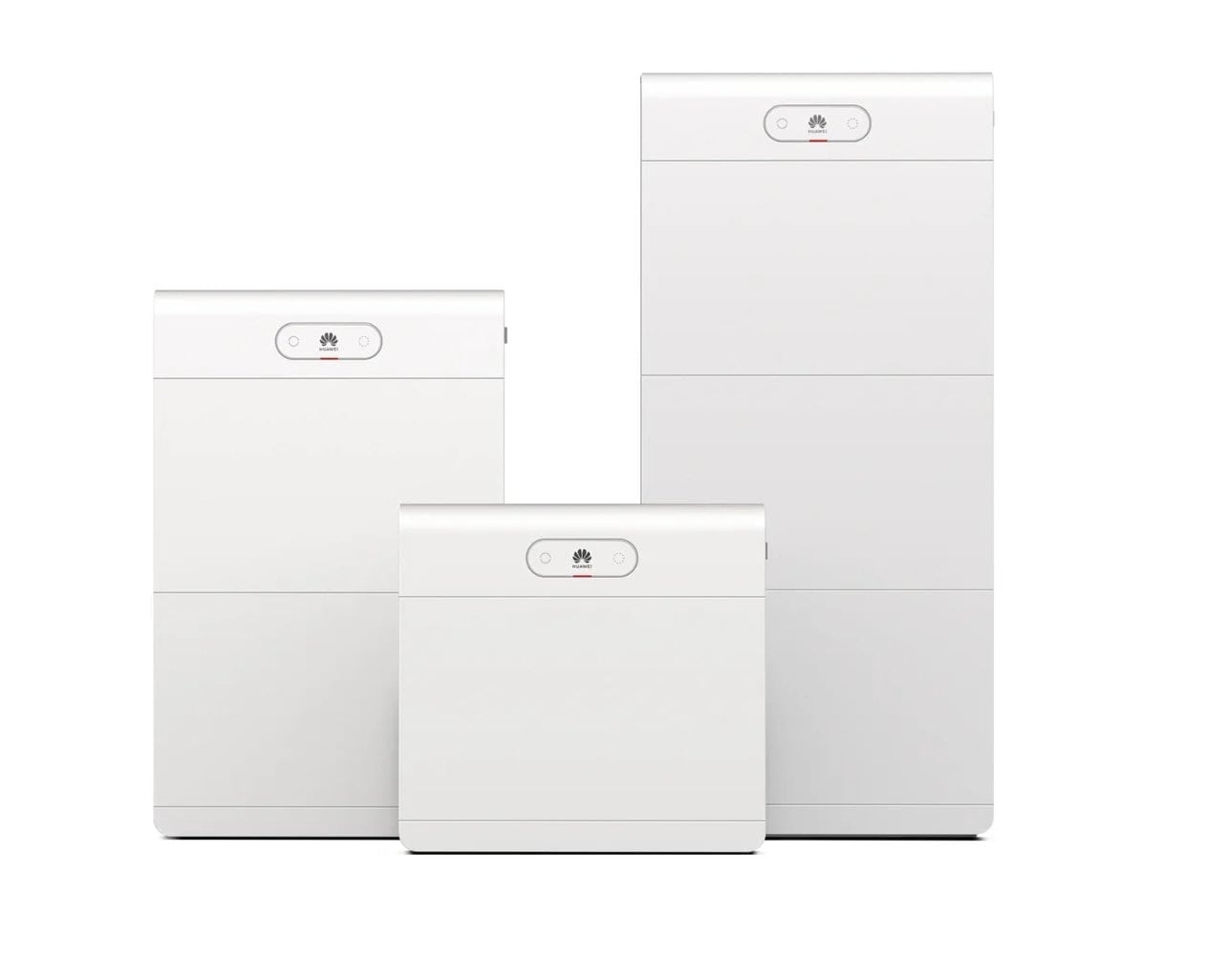
In 2026, LEFE installed a 31.26 kWp self-consumption system (58 Trina Solar 590 W panels) for a client in the restaurant industry in the Vila Nova de Famalicão area, featuring a 30 kW Sigenergy SigenStor inverter and a lithium-ion battery with a capacity of approximately 27 kWh, divided into three modules.
In other words: with the battery, nearly 4 out of every 5 kWh generated are used by the customer, rather than being fed into the grid for little compensation.
| Solar panels only | Panels + battery | |
|---|---|---|
| Typical self-consumption | 30% to 40% | 70% or more |
| Use of afternoon surplus | Sold to the grid at a low price | Stored for nighttime use |
| Operates during a grid outage | No (shuts down for safety) | Yes, with backup equipment |
| Initial investment | Lower | Higher |
| Typical payback period | Shorter | Slightly longer, but with greater long-term savings |
A subsidy from the Environmental Fund for self-consumption has been announced, though the details are still to be finalized, and is expected to cover storage as well; we’ve already written about the subsidies planned for fall 2026. If you don’t yet have a photovoltaic system, it makes the most sense to design the project with a battery in mind right from the start (even if you install it later), so you won’t have to redo the electrical panel and inverter later on. If you already have panels, your existing inverter may or may not be compatible. It’s worth conducting a technical study before making a decision.
A solar battery isn’t required to save money with solar power, but it’s what separates “saving well” from “saving as much as possible.” If you use a lot of power at night (dinner, shower, charging your car), if your area experiences occasional power outages, or if you simply want to rely as little as possible on the grid, the investment tends to pay for itself within a few years, as shown in the example above.
Talk to LEFE
Want to know if a solar battery is worth it for your home or business? LEFE will conduct a study and provide a no-obligation quote based on your actual consumption figures. Request your quote now.
Leave your comment: just your name.
No comments yet. Be the first!