
Solar batteries allow you to store excess energy from photovoltaic panels for later use. We’ve analyzed the pros, cons, and when the investment is truly worth it.
Solar storage batteries have become an important consideration for anyone installing or already owning photovoltaic panels. Although they are not essential for the basic operation of a solar system, batteries increase self-consumption and improve overall energy efficiency. But is it worth the cost?
Batteries are designed to store the excess energy produced by solar panels. Without storage, energy that is produced but not immediately consumed is fed into the grid, often at a lower price than the electricity consumed. With batteries, this energy is available for use at night or during periods of lower solar production.
Profitability depends on the consumption profile, installed capacity, and household habits. A customized technical study is the most accurate way to assess the expected return. The LEFE team provides free analyses for each situation.
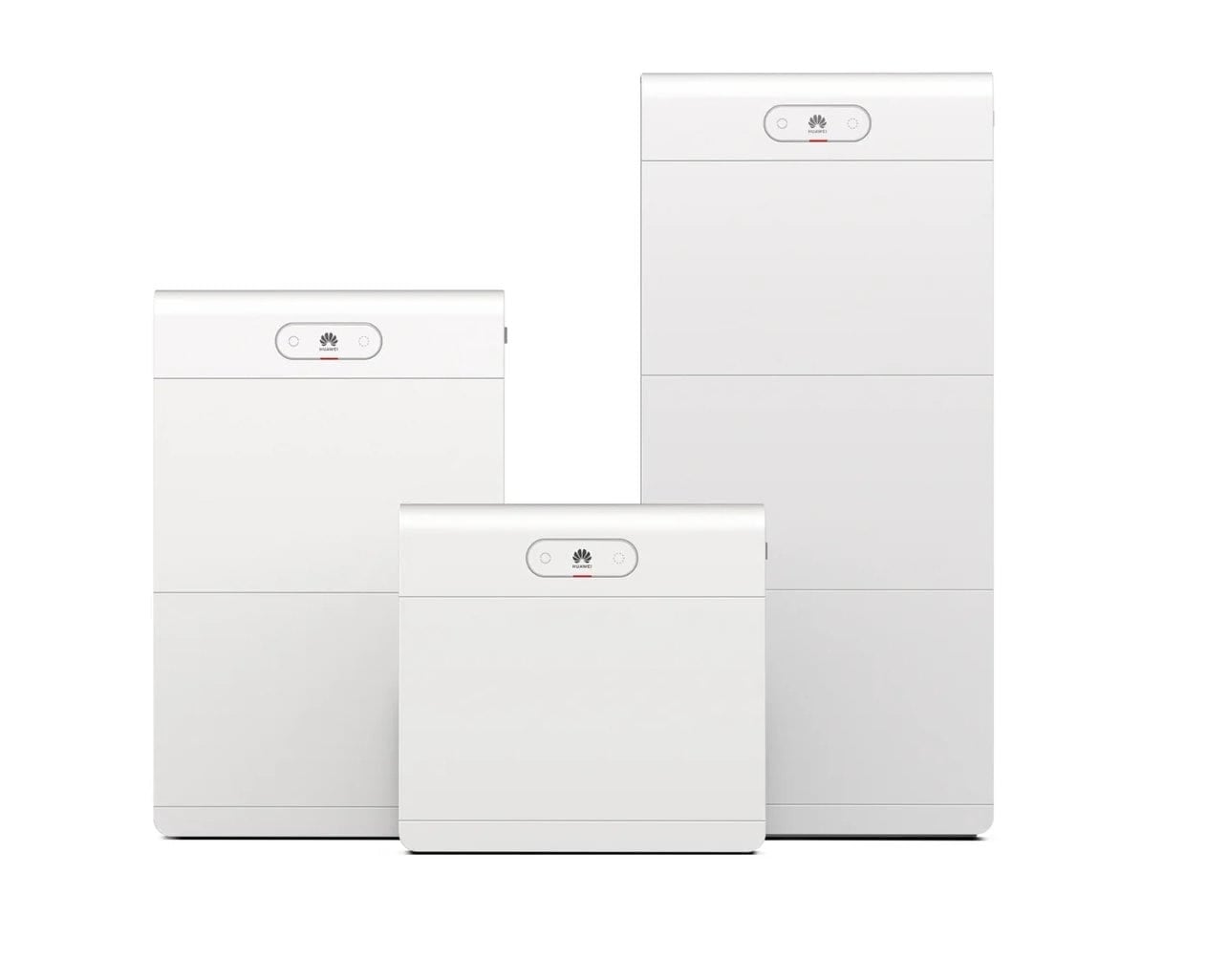
The Huawei LUNA2000 has a lifespan of 5,000 charge cycles, which is equivalent to approximately 13.7 years of normal use, with a guaranteed retention capacity of 70% at the end of that period.
Yes. In hybrid inverter systems, you can add battery modules at any time without needing to replace the inverter. This is one of the major advantages of hybrid systems.
Total independence is rarely practical or economical. The realistic goal is to maximize self-consumption and substantially reduce dependence on the grid, while maintaining the connection as a backup.
Solar batteries are an investment that pays off in many cases, especially for homes with high nighttime consumption or for those who already feed large amounts of surplus power back into the grid. The decision should be based on a technical analysis of your specific situation. Contact LEFE to calculate the expected return for free.
Leave your comment: just your name.
No comments yet. Be the first!