What are the most common myths about solar panels?
The most repeated myths about solar panels say that they only produce electricity in direct sun, that they ruin the roof, that they need frequent cleaning, and that they only pay off in large houses. None of these ideas match the way the technology currently works, and they continue to steer families away from a solution that can reduce their electricity bills.
In this article we answer, one by one, the myths we hear the most when we talk to customers who are still deciding whether to go solar. Most of these ideas originate from old experiences, with equipment or installations from a decade ago, and no longer reflect the way a solar system is sized and installed today.
Do solar panels stop producing when it's cloudy?
They do not stop producing, they produce less. The photovoltaic modules also capture diffuse light, the one that passes through the clouds, and continue to generate electricity on cloudy or rainy days, only with a lower yield than on days with clear skies. Portugal has one of the highest levels of solar irradiation in Europe, which helps to compensate for the days of lower production throughout the year.
That is why the sizing of a solar system always takes into account the average annual production of the region, and not just the days of the strongest sunshine.
Do solar panels damage or puncture the roof?
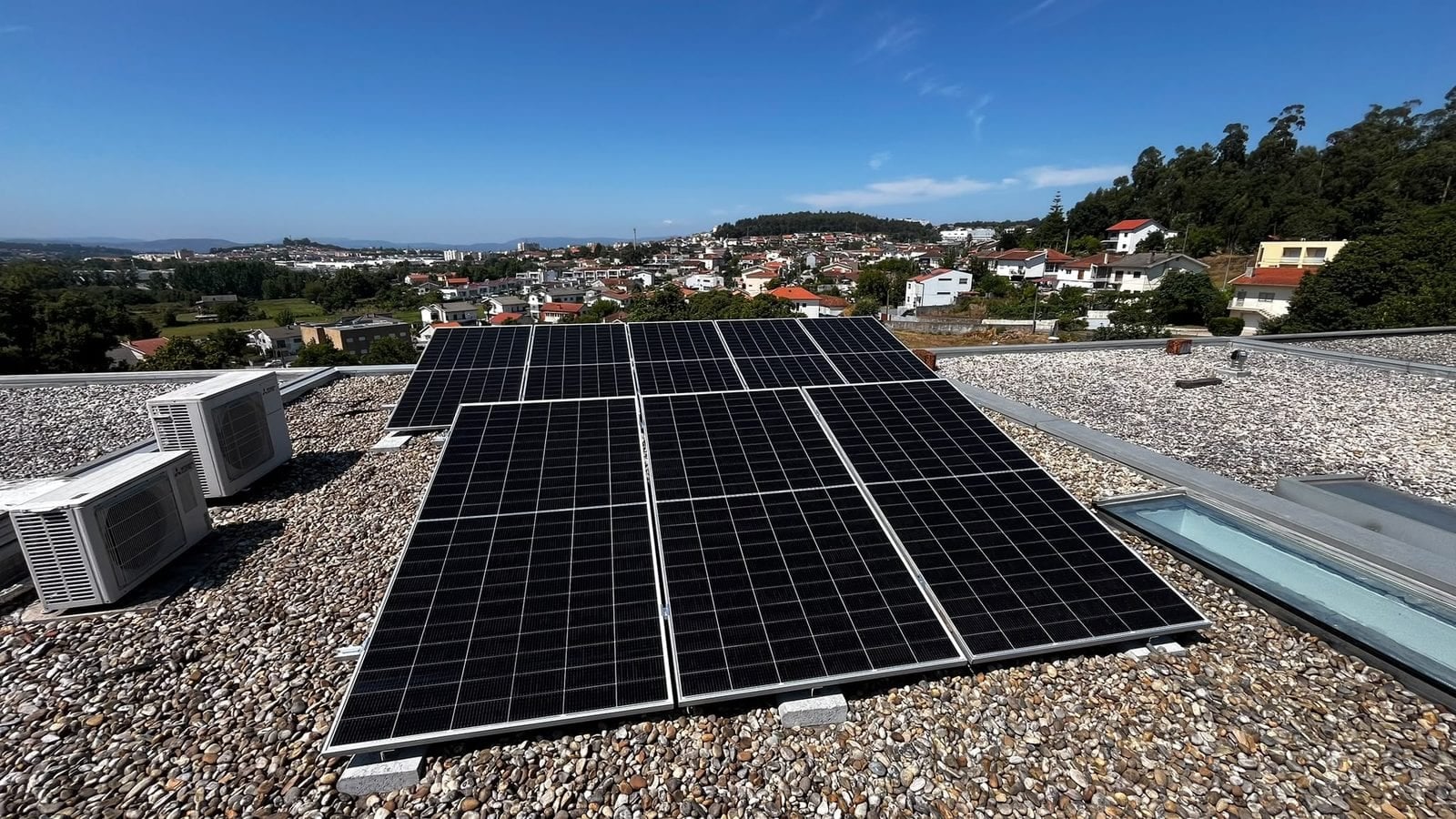
When the installation is done by a certified team, the panels do not damage the roof. The fastening structure is chosen according to the type of roof (ceramic tile, sheet, slab or sandwich panel) and distributes the weight without compromising the waterproofing. At LEFE, each project begins with a technical visit to the site to assess the roof and choose the correct structure before any holes are drilled.
Do I need to clean solar panels frequently to work well?
You don't need to clean the panels regularly. Rain already removes most of the dust and dirt that has accumulated, and the slope of the installation helps to drain the water. A one-off cleaning, done once or twice a year in dusty areas or near roads, is usually sufficient. What pays off more is periodic maintenance of the system, which includes checking the inverter and connections, and which is different from washing the panels.
Isn't a small house or one with little consumption worth having solar energy?
The size of the house is not the factor that determines whether it pays to install solar panels, what matters is the consumption pattern throughout the day. A small house with concentrated consumption during the day, for example with teleworking or appliances scheduled for sunny hours, can take advantage of solar self-consumption as well as a larger house. The sizing of the system is tailored to the actual consumption, and not the size of the property.
If you live in the Braga or Guimarães area, our team can analyse your roof and its consumption before proposing any solution.
Without batteries, isn't the investment in solar worth it?
A photovoltaic system without batteries already reduces the electricity bill, by replacing energy purchased from the grid with energy produced in self-consumption during the day. Batteries are a complement that allows you to save the surplus to use at night or in periods of lower production, and make more sense for those who have high consumption outside of sunny hours or want greater independence from the grid. They are not, however, a mandatory condition for the investment to pay off.
The decision to include batteries or not depends mainly on the consumption profile of each home or business. A family that is out during the day and concentrates consumption in the late afternoon and evening gets more out of a battery than a house where most of the electricity is used precisely at the hours of greatest solar production.
Do solar panels lose efficiency quickly and last a short time?
Current PV modules, such as the Trina Solar panels installed by LEFE, have a long lifespan and a very gradual loss of efficiency over the years, covered by performance guarantees from manufacturers. The natural degradation of silicon is slow, and the system continues to produce electricity in a significant way long after the initial investment has already been recouped.
Is installing solar energy expensive and takes many years to pay off?
The value of the investment varies depending on the power of the system, the type of roof and the equipment chosen, so there is no single price for all houses. What can be said is that the higher the daily consumption during sunny hours, the faster the system tends to compensate. The most reliable way to understand how much it costs and how long it takes to compensate in your case is to ask for an analysis of the real consumption of your home or business.
Postponing the decision waiting for a cheaper moment is usually more expensive than moving forward as soon as consumption justifies the investment, because each year without a solar system is a whole year of bills paid in full to the electricity grid.
The LEFE team accompanies this type of assessment in homes and commercial spaces, and can show you some of the projects already installed and the services available, from the initial study to the maintenance of the system.
If you still have doubts about what is myth and what is reality in solar energy, talk to LEFE and receive an analysis of your specific case, without obligation.