Summer is gone and most people only remember the air conditioner when the cold really hits. This is precisely why September and October are the right time to maintain the air conditioner, especially if you also use the device to heat the house (most splits installed today are reversible: they cool down in summer and heat up in winter). A poorly prepared appliance uses more electricity, heats up worse and is more likely to break down on the first cold night.
In summary:
- A dirty filter can increase the consumption of the device by up to 15%, according to the manufacturers themselves.
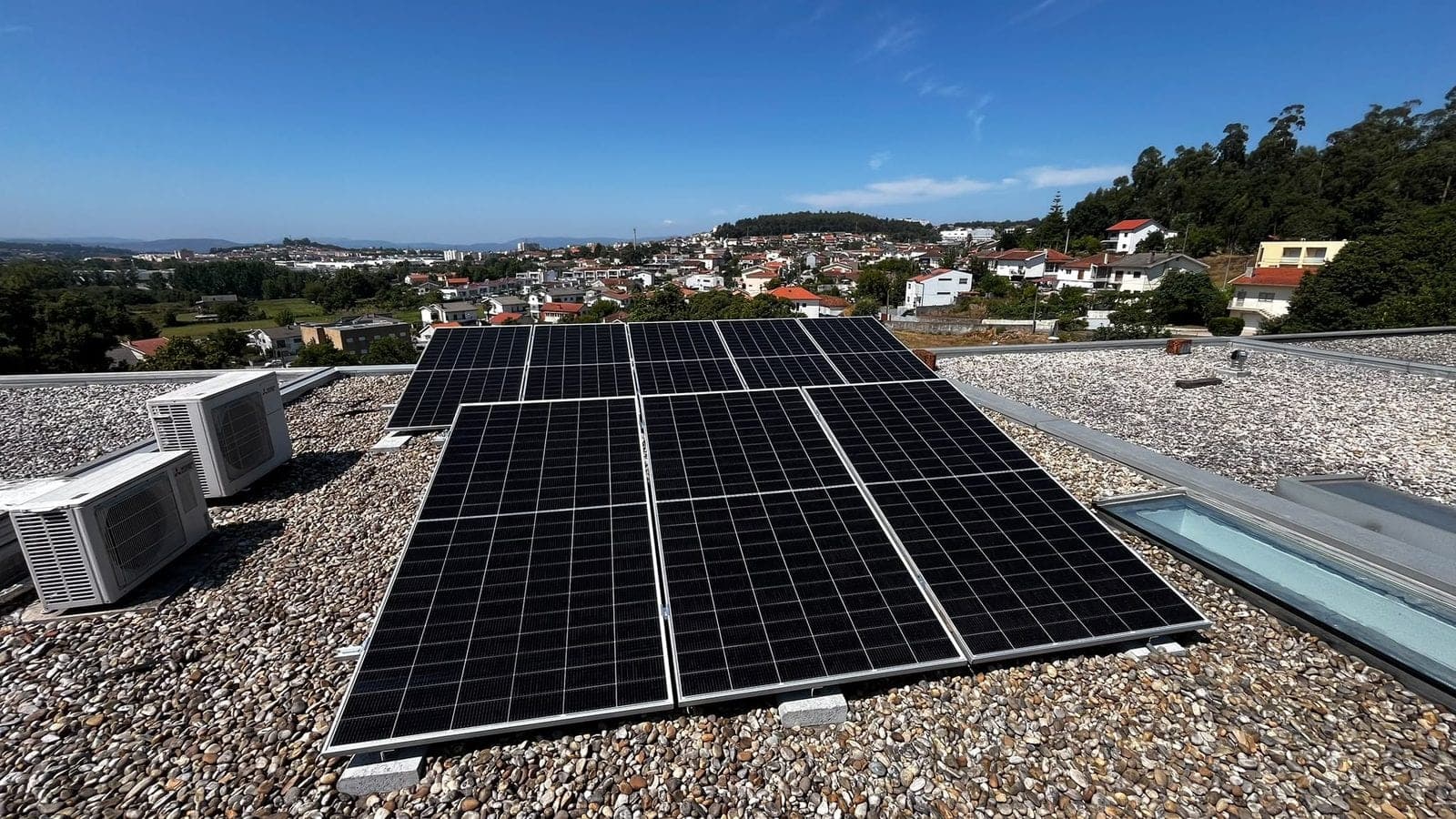
- The outdoor unit needs free space and easy cleaning before the cold arrives.
- Testing the heating mode in advance avoids surprises on the first cold night.
- A professional overhaul every 1 to 2 years greatly extends the life of the equipment.
- Inverter equipment with class A++ or higher also saves energy in heating, not only in cooling.
Why Pre-Winter Maintenance Makes a Difference
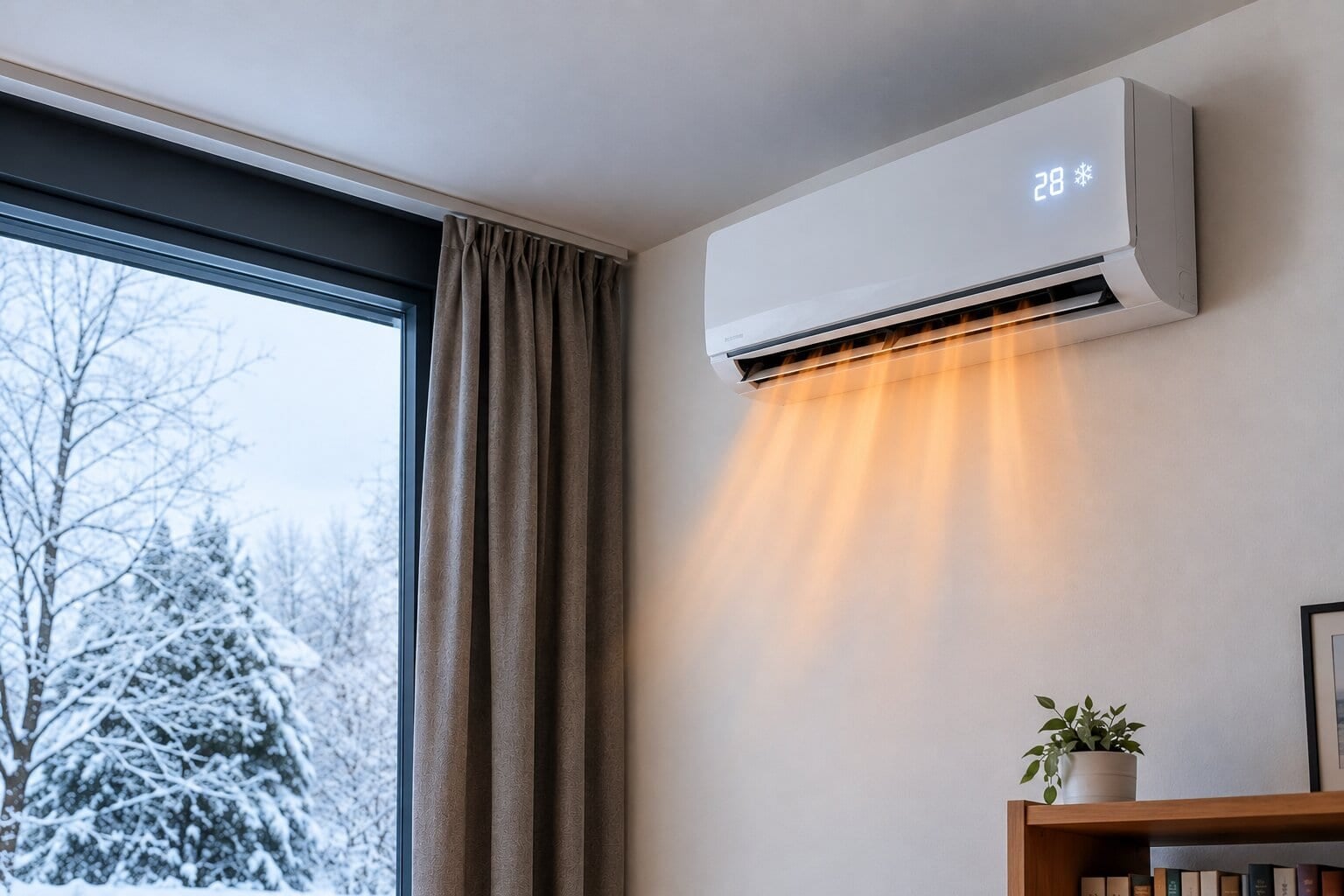
In winter, reversible air conditioning works differently from summer: instead of taking heat from indoors, it takes heat from the outside air (even cold) and transfers it inside. It is a more demanding process for the compressor, and any restriction in the air path, such as a clogged filter or an outdoor unit full of leaves, forces the device to work harder to reach the same temperature. The result is always the same: more consumption, less comfort and equipment that lasts fewer years. Maintaining the air conditioner before winter is, therefore, one of the simplest gestures to save on the electricity bill in the colder months.
The 6 maintenance steps before the cold arrives
- Clean the filters. Remove them (usually just pull a tab on the front of the indoor unit), wash with warm water, let them dry completely in the shade and only then put them back on. During the season of use, the ideal is to repeat this once a month.
- Check the outdoor unit. Remove leaves, webbing and dirt accumulated during the summer. Check that there is nothing blocking the grille and that the appliance remains securely attached and level.
- Test the heating mode in advance. Turn the appliance on for fifteen to twenty minutes, even before the real cold. If you hear strange noises, smell burning or notice that it does not heat up, you still have time to call a technician without haste.
- Inspect the piping and insulation. The copper piping that connects the two units should be well insulated, with no cuts or signs of degradation. Oil or ice stains near the connections are often a sign of refrigerant gas leakage.
- Confirm condensate drainage. A drain pipe clogged with dirt or algae is the most common cause of dripping water inside the home. It is worth checking before the appliance is restarted every day.
- Schedule a professional service. Every one to two years, a certified technician must check the gas pressure, electrical connections and clean the indoor coil, something that is not possible to do alone at home.
Signs that the device needs attention before winter
There are signs that usually anticipate bigger problems. Unusual noise when turning on or off, weak air coming out of the indoor unit, musty smell when the device starts, dripping water inside or an electricity bill that rose last winter for no apparent reason are all reasons not to leave air conditioning maintenance for the last cold week. If the equipment is already more than ten years old, it is still worth asking a technician if it is worth repairing it or replacing it with a more efficient model.
What you can do yourself and what you should leave to a technician
Cleaning filters, removing leaves from the outdoor unit and checking the drain are simple tasks that anyone can do without special tools. Handling the refrigerant gas, opening the outdoor unit or cleaning the indoor coil thoroughly requires specific training and certification (the handling of fluorinated gases, such as the R32 used in most current equipment, is subject to its own rules in Portugal). In these cases, the safest and cheapest thing in the medium term is always to call a technician.
Quick checklist before winter
- Clean and completely dry filters
- Outdoor unit free of leaves and dirt
- Heating mode tested on a mild day
- Pipework without cuts or signs of ice or oil
- Unobstructed drainage pipe
- Professional review done or scheduled
What is the ideal temperature to heat with air conditioning
A common mistake in winter is to set the air conditioning to 26 or 27 degrees, hoping to heat the house faster. It doesn't heat up faster, it just consumes more energy until it gets there. For most homes in Portugal, between 19 and 21 degrees is enough for a comfortable environment, and each degree more can represent an increase in consumption of about 5% to 7%, according to inverter equipment manufacturers. It is also worth programming schedules (most commands and apps allow this), so that the device starts heating up just before you get home or get up, instead of being on all day empty.
Another detail that makes a difference: the automatic mode is usually more efficient than manually adjusting the fan's power, because it lets the inverter compressor manage the speed necessary to keep the temperature stable on its own. And if you have more than one room with air conditioning, close the doors of the spaces you are not using, so the device does not waste time heating empty areas.
An efficient appliance saves in winter, not just summer
In the installations that LEFE currently does, most residential appliances already have inverter technology, energy class A++ or A+++ and R32 gas, which is more environmentally friendly than old refrigerants. This is not just a label: an inverter compressor adjusts the power continuously, instead of turning on and off like older appliances, and this translates into fewer consumption peaks and more temperature stability, also in heating mode. If your appliance is more than a decade old and is not inverting, it may make sense to compare the two solutions, split and non-split, before deciding whether it is worth repairing or replacing. And if you are thinking of moving on to new equipment, it is worth checking if there are energy efficiency supports available, because they often cover part of the investment.
It is worth preparing now
Maintaining the air conditioner before winter takes less than an hour in total if you choose to do the simple checks yourself, and a professional overhaul is usually taken care of in a single visit. It's a small investment that avoids two expensive things: a broken appliance on the coldest night of the year and a higher electricity bill than it should be. October is still on time.
Need help with your air conditioner before winter?
The LEFE team maintains, repairs and installs residential and commercial air conditioning systems, with inverter equipment from leading brands. Talk to LEFE