What tasks help prepare the house for winter?
Preparing the house for winter means reviewing four areas before the cold sets in in earnest: insulation, heating system, solar production and energy reserve. Done in September or October, this review avoids surprises in the bill and losses of comfort when temperatures drop.
It is not necessary to deal with everything on the same day. One afternoon a week, with a simple checklist, is usually enough to reach December with the house ready and without last-minute rushes.
How do you know if your home insulation is failing?
The first sign usually appears on doors and windows: if you feel a draft near the frame or if the walls are cool to the touch even with the heating on, there is heat escaping there. Another indication is the heating system working longer than usual to maintain the same temperature.
At this stage, it is worth checking burlettes on the exterior doors, the condition of the frames and whether there are heavy curtains in the colder rooms. It is also worth looking at the exposed hot water pipes in garages or attics, as a poorly insulated pipe loses heat along the way before reaching the tap. These are simple, work-free adjustments that reduce heat loss and relieve the work of the air conditioning system.
Are the heat pump and air conditioner ready for the cold?
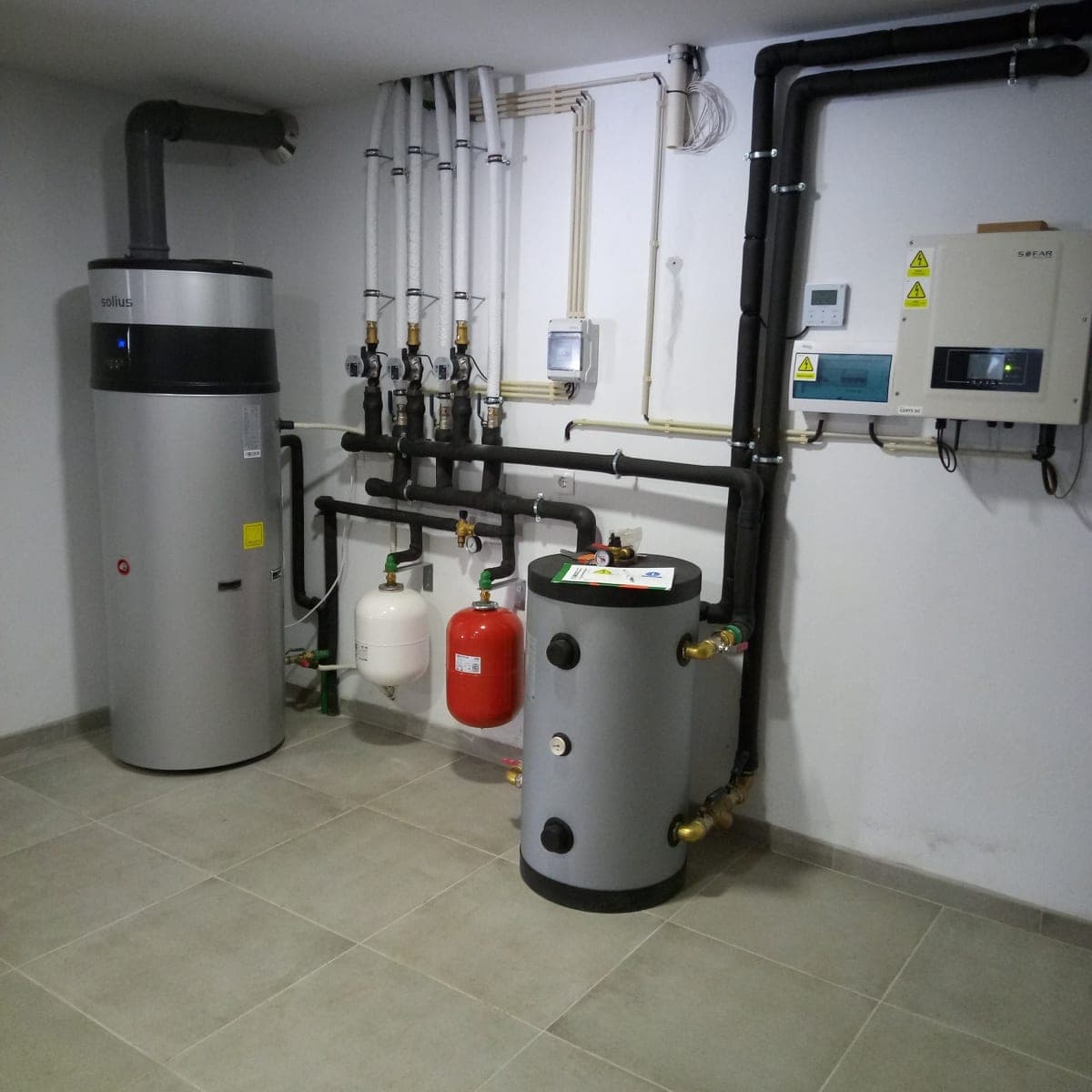
Aerothermal energy works well even in low temperatures, but yields less if maintenance is forgotten. Before winter, it's worth cleaning the filters, confirming that the outdoor unit has no leaves, dirt or objects blocking air circulation and testing the heating mode in advance, so there is time to call a technician if something isn't right.
LEFE is an official distributor of Mitsubishi Electric and Nipon, and also installs Daikin equipment, brands with aerothermal solutions designed for the Portuguese climate. If you are looking to understand which system makes sense for your home, you can consult the heat pumps page in Braga.
A detail that usually worries those who have a heat pump for the first time is to see the outdoor unit stop for a moment and release steam: it is the defrost cycle, normal on very cold and humid days, and not a sign of malfunction.
Those who use air conditioning especially in summer and leave it without turning on for months in heating mode should do the same type of check: a quick cleaning of the filters and a test of the heating mode before the cold arrives prevent the compressor from having to work harder than it needs to, and help detect any unusual noise or smell early. If the appliance only serves one room and the rest of the house depends on another system, take the opportunity to check if it makes sense to program different temperatures per room, instead of heating the whole house at the same level all day.
Does it make sense to continue monitoring solar production in winter?
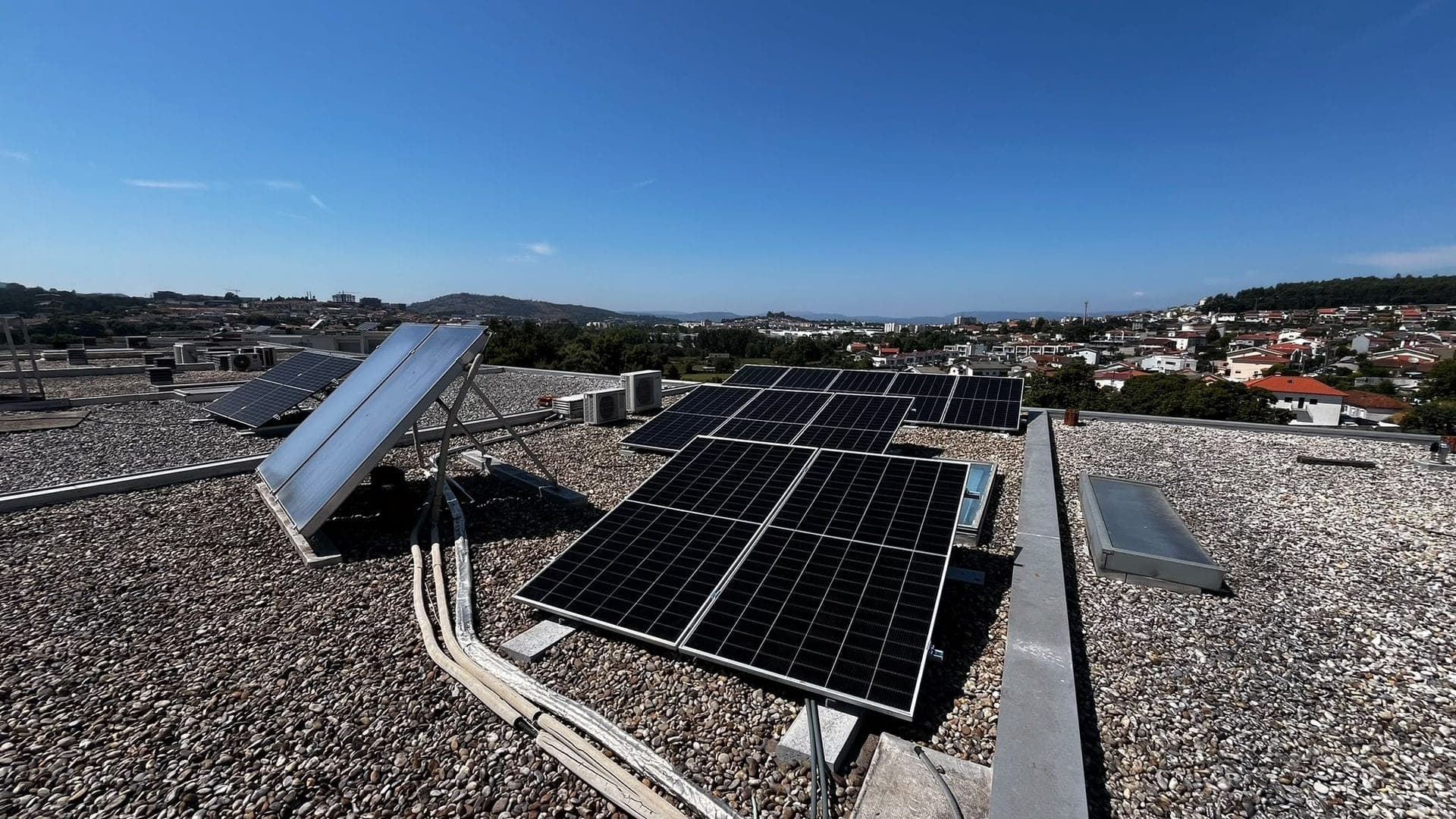
It does. Shorter days and the lower position of the sun naturally reduce the production of a photovoltaic system in the winter months, and it is normal to see these lower values in the inverter's monitoring app. What matters is to compare production with the same period of the previous year, not with the summer, to understand if the drop is seasonal or if there is a dirty, shaded panel or with a fault to correct.
Those who have a self-consumption system can take advantage of this time to also review consumption habits at home, moving what is possible to the hours when there is still solar production available. You can find more information on this topic on the solar energy page in Braga.
Also take the opportunity to visually check the panels, without going up to the roof: accumulated leaves, nests or shade from a tree that has grown since summer are common causes of production failures that are easy to solve.
Do solar batteries help you cope with a winter blackout?
They help. Winter brings more storms and grid outages than the rest of the year, and a system with solar batteries and hybrid inverter switches to backup mode automatically, keeping essential equipment such as the refrigerator, router or lights connected, without relying on a generator. Before winter is a good time to confirm that the backup system is configured correctly and to test, once, what happens in a simulated power outage. You can learn about the options available in solar batteries.
What quick checklist can I follow this week?
To organize the work, here is a summary with the recommended frequency for each task:
| Task | When to do it |
|---|---|
| Cleaning heat pump or air conditioning filters | Before winter and after every month |
| Verify that the outdoor unit is free of obstructions | Once a month during winter |
| Review burlets, window frames and curtains | Once, in early autumn |
| Compare solar production to the previous year | Weekly, through the inverter app |
| Test the battery system or backup | Once, at the beginning of winter |
None of these tasks require a whole weekend, but done on time they prevent a small problem from turning into a breakdown in the cold, when it's harder to wait for a technician.
If you prefer someone else to take care of the overhaul, the LEFE team maintains heat pumps, air conditioning and solar systems, as well as assessing whether it makes sense to reinforce the installation with batteries before winter arrives. You can find out about the available services or request a technical visit through the LEFE contact .